Yiwei Sang
Home/Work/About
Let’s Create Something Together
sangqiqi1001@gmail.com

When we travel, do we really know those old buildings?
As an independent designer, I completed the entire research process for the project and conducted interviews with different user groups, as well as using testing to further confirm the design direction.
Project type:
End-to-end app, Interaction design, Independent work
Role:
Project Manager, User Researcher, Sole UX/UI Designer, Product Designer
Tools:
Figma / FigJam
Illustrator
Midjourney
Adobe Xd
Duration:
1 Month
Regulate user behaviour, enhance the travel experience and connect better with history.
The Design Brief
Problem:
During visits to historic buildings, tourists often cause unintentional damage, find it difficult to gain an in-depth understanding of the site, or do not have enough time to fully experience it. These problems can lead to two major challenges: firstly, tourists visiting incorrectly, leading to vandalism of ancient buildings; and secondly, the number of tourists decreasing as a result of an unsatisfactory tourist experience, leading to insufficient funding for conservation.
Project Goal:
To provide tourists with a rich, engaging visiting experience while ensuring the effective protection of historical buildings.
Solution:
I designed an app that enables tourists to engage with historical buildings as “experts” through fun, contactless interactions. Visitors can collect knowledge-rich, interactive “check-in” experiences without physically touching the sites, preserving their integrity. The app also provides real-time visitor flow data, helping users plan optimal routes. Additionally, after check-ins, users can share their experiences with friends, increasing awareness and promotion of the heritage sites.

-On-the-spot investigation
-Damage to old buildings:
-Existing protective measures.
Explore Appoarch

-One-on-One User Interviews
-User journey map
-Stakeholder Map
Discovery

-Problems of the visitors
-Problems with old buildings
-Project Goals
Design point

-Service Blueprint
-Innovative Interaction Points
-Storyboard
-User flow + Lo-fi Wireframe
-Prototype
Idea

-What our users are saying?
-User quantitative testing
Test

How the problem arose?
Explore Appoarch
My hometown has the largest number of above-ground cultural relics in all of China - ancient buildings - and what exactly went wrong during my visit to them, I began with field research.
On-the-spot investigation
Ancient Chinese architecture is often combined with gardens, and with multiple landscapes in a single garden, the viewing paths are particularly important.

Inside the building
-Visitors usually follow the order of the tour and stay longer in front of the most important exhibits.
-Due to lack of knowledge, visitors may unintentionally damage certain structures.
-Some visitors like to touch old buildings, such as internal doors, windows and supporting wooden pillars, and these actions may also cause damage to the building.

Structural similarities of ancient buildings
-Coloured painting

-Supporting pillars

-Tread

-Stone lion

-Door

-Dougong

Damage to old buildings:
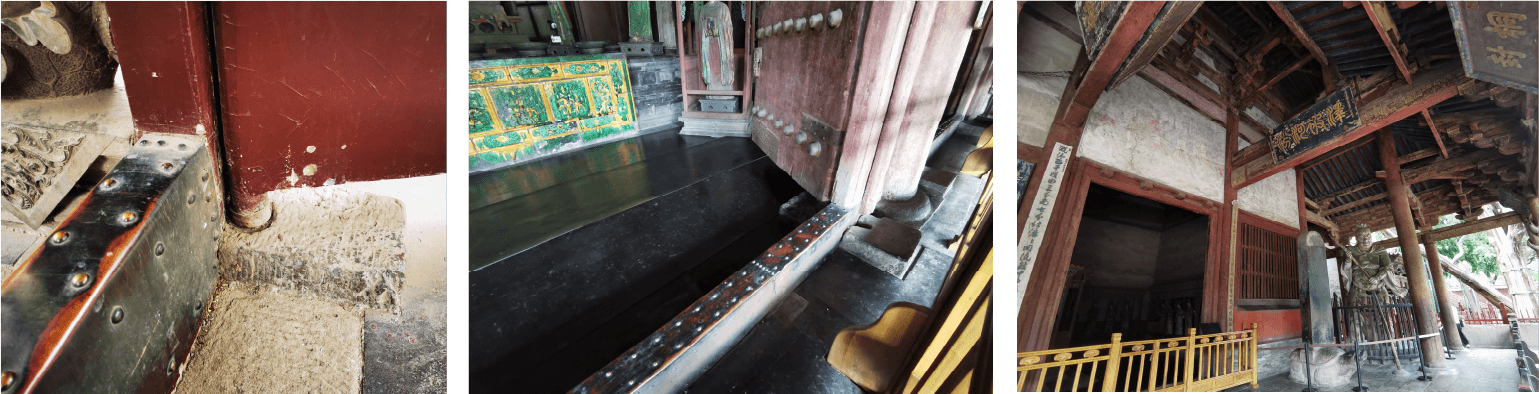
Fading of the coloured clay sculptures, peeling of the wood paint on the door sill, rusting of the door nails and door rings, cracks in the wooden pillars, damage to the walls.

Existing protective measures.
The use of iron, iron plates, fences and other protection of the old buildings, or guarded by watchmen.

What do those associated with ancient architecture have to say?
Discovery
USER research
One-on-One User Interviews
For different groups, I first conducted some one-on-one interviews, through which I was able to better understand the user's points of need and the parts of the design process that needed to be highlighted. They also supported the creation of a stakeholder map.
Main Questions
Why do you want to visit old buildings?
What will you focus on when you visit them?
What do you want to know and feel when you visit ancient buildings?
What do you think about the protection of ancient buildings today?
Company Personnel, 26 years old
I want to feel the story of history.
The current protection of old buildings is somewhat limited to the preservation of the buildings themselves, rather than making visitors aware of protection, which I think needs to be improved.

Architecture students, 19 years old
I would like to know the details of the construction of the old buildings.
Most of the current conservation of old buildings is based on restoration, and the inability to fully recreate the architecture of the period is currently a major challenge.

Professor of Ancient Architecture Studies, 48 years old
In the old days, we used to check for problems with old buildings by hitting the building's stakes with a rubber mallet.
The cultural background of the ancient buildings is so complex that it is difficult for tourists to access them.

User journey map
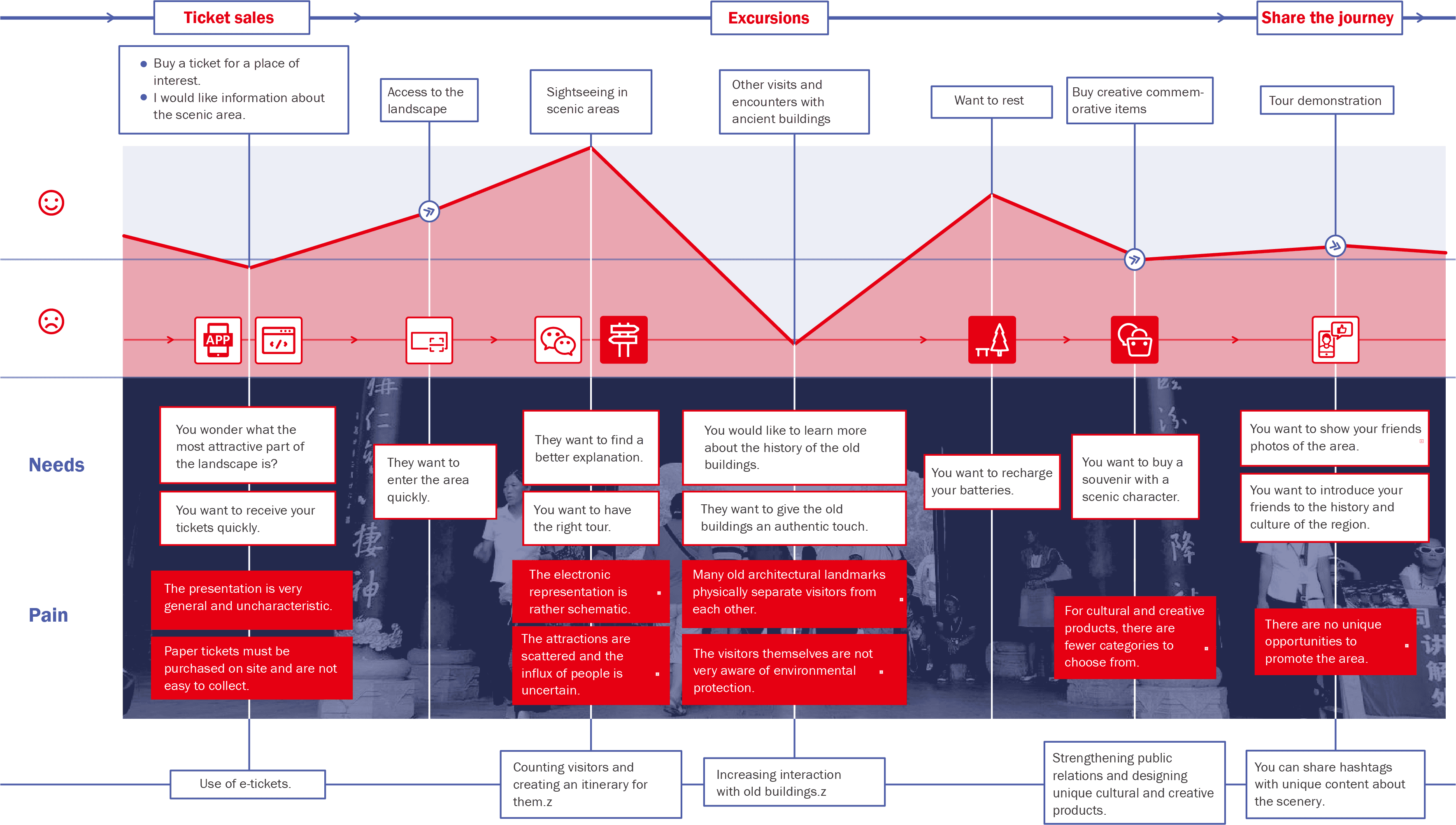
After previous field observation and research as well as user interviews, a user journey map was created for the user's process of entering the scenic area to uncover real pain points and propose opportunity points from the entire visit process.
Stakeholder Map
Cultural and historical value and economic value are the most important aspects of old buildings.
How can the balance between historical, cultural and economic values be maintained?


What did I find out from the previous research process?
Design point
Problems of the visitors
Unintentional damage: damage to ancient buildings caused by behaviour without knowledge of the history, e.g. unintentional touching of ancient buildings, flash photography, etc.
Most tourists only focus on the landscape when visiting the site and do not understand the history and culture behind it.


Problems with old buildings
-Many ancient buildings have thresholds to visit, lack of sufficient knowledge to support the lack of attraction.
-Insufficient publicity for ancient buildings.
-Many ancient buildings are very difficult to restore.
Project Goals
-Stop tourists from damaging old buildings
-Raise awareness of the need to protect old buildings
-Enhance the sense of participation and interaction during tours

How might we create a more interesting and interactive experience for users to help them play better and preserve the old buildings at the same time?
Idea

KT Method
Brainstorming with the kt method and selection of optimisation options from the point of view of expediency and feasibility.
Service Blueprint
Combined with previous user analyses, the service blueprint provides a clear view of the pain points in the user experience and bottlenecks in the process, stimulating points of innovation and designing a better experience process.


Innovative Interaction Points
Inspection methods of the past a hammer is used to hit the pillars inside the old building to obtain a detailed report on the condition of the building
Why can't we give our users a new perspective on the ancient architecture, turning them from ordinary tourists into experts?


Users use their mobile phones to simulate the actions of an expert, interact with a building that cannot be directly accessed, and obtain an inspection report.

Storyboard
I created storyboards for the entire design, showing the scenarios in which users would use the product.


A large number of tourists visit the old buildings
Visitors scan the QR code to enter the interactive page.
Follow the guide for interaction.
Retrieve and share the test report.
Beat the column with their hands at will
User flow + Lo-fi Wireframe
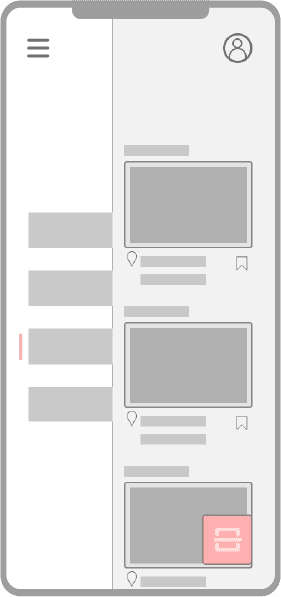
Sorting out the user flow and further demonstrating it through lofi pages




Open the app
Friends
Collections
User
Explore
Details
Details
Enter your personal details.
Are you a new user?
Whether it has interacted with certain ancient buildings?
Scan the code and use the camera to identify the column.
Localization of the location and detection of pedestrians.
Select the desired location and the app will show you a route.
Search for ancient Chinese architectural sites and view interaction points.
Search by location
Shake the phone to simulate the action and receive the inspection report, which you can pass on.
Yes
Yes
No
No
Let's take a tour of the old buildings!


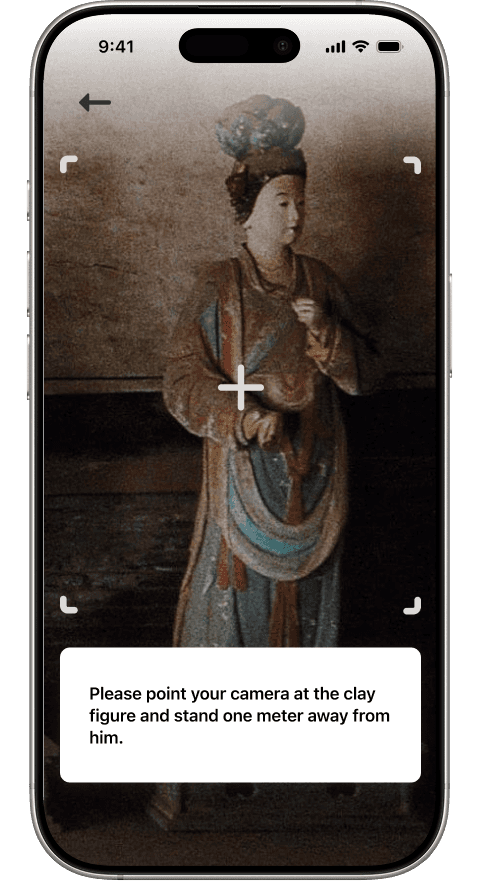


Participate in interactions and collect all reports!


Cards show the ancient architectural sights that users have already visited.
My Collection

Design the playing card module to stimulate the interest of users to participate in the interaction.
Ancient Architecture Scenic Spots Punch Card


In the form of a survey report combined with ticket stubs to enhance the sense of collection as well as the desire to share.
Interactive results
ehaviour
B
Enter the landscape
Visit the ancient buildings
Gain visiting experience and knowledge about ancient architecture
otivation
M
For a more in-depth understanding of ancient architecture
Wish to learn about ancient buildings by touching and taking photos
A
bility
Set up a punch card mode to guide users to know the different structures of ancient buildings.
Remote interaction with the ancient buildings through mobile phones, to protect the ancient buildings at the same time, to meet the user's sense of participation and curiosity.
T
rigger
Punch logs, light up icons
Interact remotely to get reports
I built a Fogg behavioural model to show the design points in depth.
Psychological model
High motivation
Low motivation
Hard to do
Ability
Motivation
Easy to do
Trigger
Be successful here
Action line
Find new exploration points and plan routes wisely
According to the scenic area of the reasonable planning of the visit route, the protection of ancient architecture at the same time enjoy playing.


Sharing with friends
Share the spots you've visited with your friends, like a travelling circle of friends, and refuse to be over-socialised!


View High Fidelity Models
What our users are saying?
User quantitative testing
Five users were sought for app usability testing, using a quantitative table to visualise the user experience
Smooth operation
Clear information
A sense of fun and interaction
4/5
2.5/5
4.5/5
Issues for further improvement
-The interaction logic on the sharing page is not smooth enough
-The information on the route page is not clear enough
-The sense of achievement of users in the punch card section is not high enough